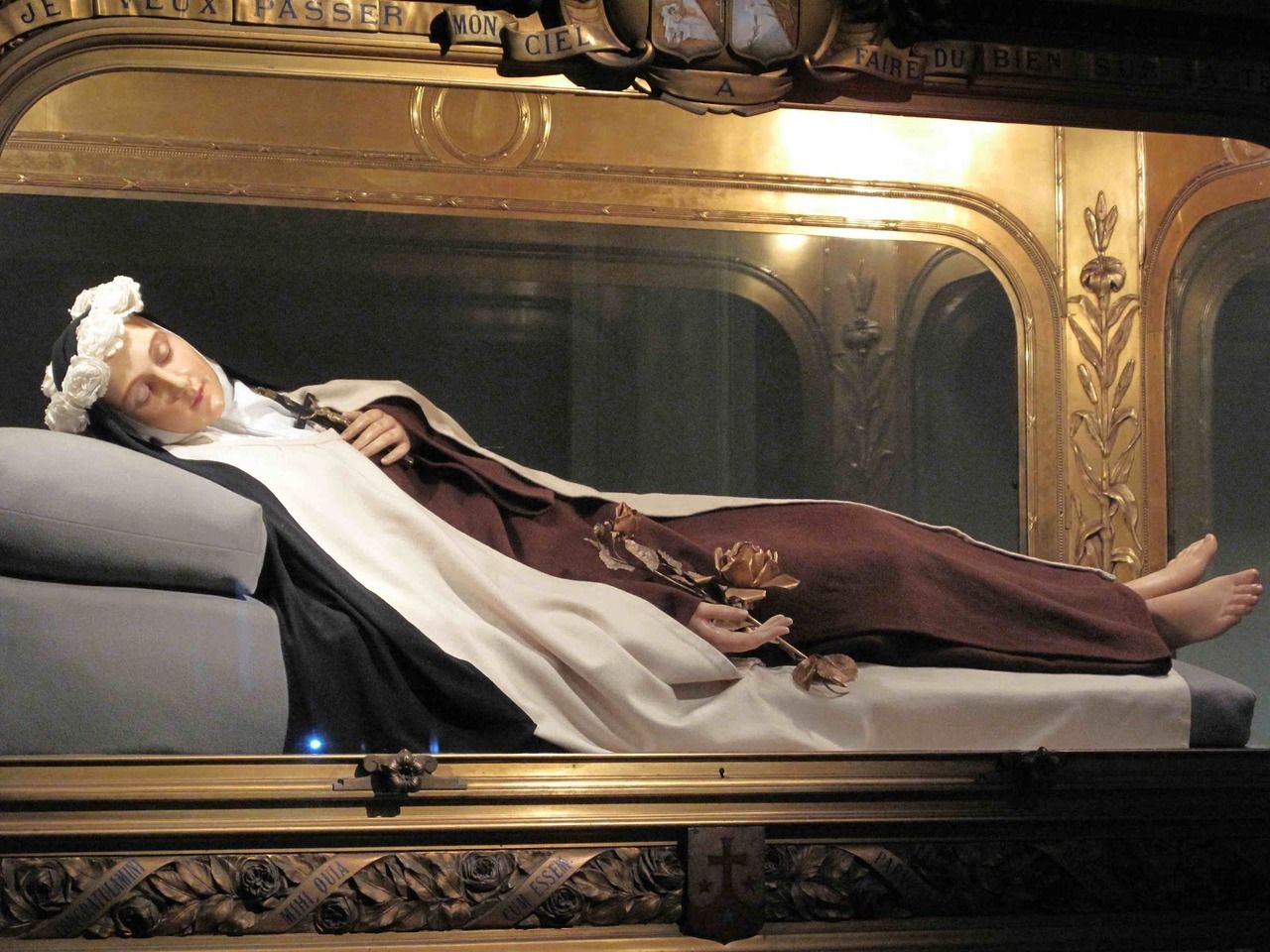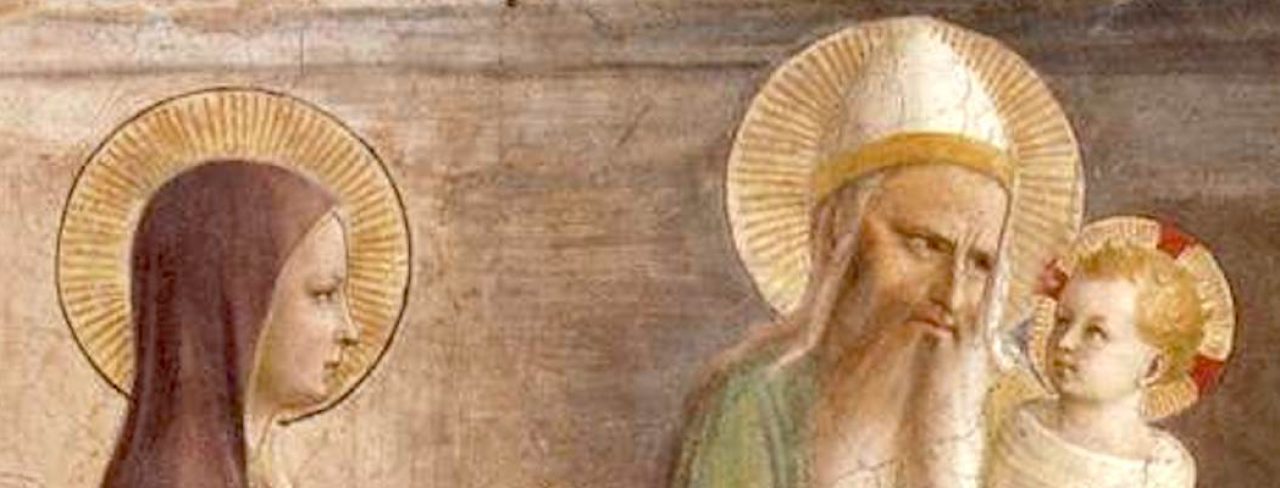
St. Thérèse of Lisieux – “The Little Way” to Jesus Christ

St. Thérèse of the Child Jesus (of Lisieux) died, a victim of tuberculosis, at the age of 24 on September 30, 1897. Every year her Memorial is celebrated in the Roman Catholic Church on October 1st.  She was later named a Doctor of the Church because of her extraordinary spiritual insights and witness to God’s love for us.

Those drawn to her life and spiritual perceptions desire to know the basics of her “Little Way” to union with Jesus. Many desire to understand her procedure to “the arms of Jesus'” love before they read her short autobiography entitled The Story of a Soul. 

John Nelson in his excellent book and fine introduction to the Little Way of St. Thérèse provides us with some very helpful steps. He says, The core elements of the Little Way are:

  1. Joyful humility as a little child of God [that is, understanding of the need for our awe of God, and persistent love of God and neighbor; our willingness to work and pray to achieve the virtue of humility];
  2. Bold confidence in God’s mercy and loving kindness;
  3. Tranquil trust in the actions of God’s limitless love
  4. Persistence in prayer as a simple raising of the heart to God;
  5. Daily practice of the little way of love.” 

He continues,“The Little Way to spiritual health is that of a child of God who humbly welcomes its utter inability, weakness, and poverty as a little one.”

The phrase “little one” refers to the person as a spiritual child that needs to learn from Jesus as they continually seek to be embraced within His loving arms.

The soul that commits to this process “…is boldly confident in its total dependence on the goodness, limitless love, and action of its Heavenly Father. Such a child of God desires only His Will, and to live solely through love [of Jesus] and for love” [of God and neighbor].

“Since love drives out fear [fear is the foundation of all anxiety], it never fears the justice of God, knowing that He comes to save His little ones.”  (all quotes above are from the book by John Nelson, The Little Way of St. Therese of Lisieux – Into the Arms of Love. Liguori Press, 1997).  

As a Carmelite nun, St. Thérèse of Lisieux lived an extremely virtuous life of humility, evangelical simplicity, and trust in God. Besides her contemplative prayer, and communal obligations, she devoted her short life to teaching these virtues to the novices in her community.

The late 15th century contemplative, Thomas à Kempis, in his masterpiece on spirituality and the path to God, The Imitation of Christ,  also helps us understand how to put the “love” that St. Therese speaks of into practice: “A good deed done without love goes for nothing, but if anything is done for love, however small and inconsiderable it may be, every bit of it is counted. God considers what lies behind the deed, and not what is actually done” [that is, accomplished]. (Book 1, section 15, page 48; edited by H.C. Gardiner, S.J.; Doubleday Image Book, 1955).
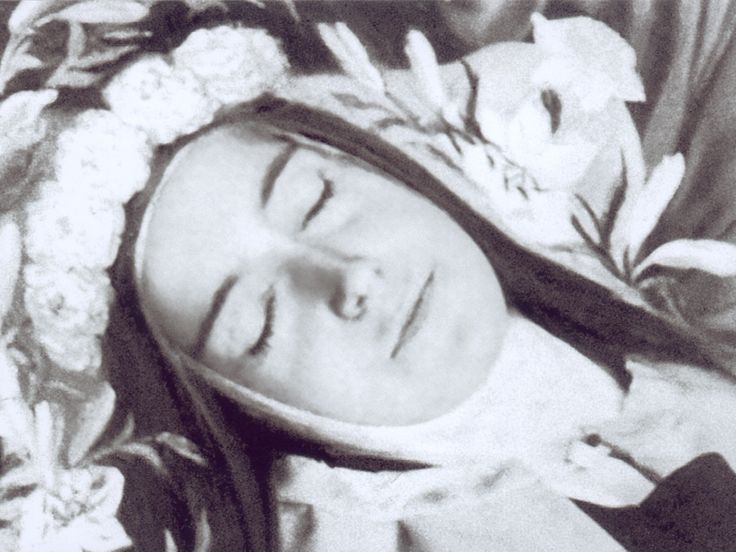
-st-therese-of-lisieux-incorruptible-saints
Close-up of her face – incorrupt body of St. Therese of Lisieux. She died in 1897.


St. Therese of Lisieux Incorrupt
                        Incorrupt body of St. Therese of Lisieux.

Copyright © 2011- 2020, Deacon Paul O. Iacono – All Rights Reserved. Permission to reprint must be obtained from the author in writing. Students, and those interested, may quote small sections of the article as long as the proper credit and notation is given. Thank you.

Elijah, Pagans, and Our Lady of Mt Carmel

 Sacred Scripture has always celebrated the beauty and significance of the mountain in Israel called Carmel.

It is significant for two reasons:

  1. In a dramatic contest with the priests of the pagan god Baal, Elijah fought the false gods of King Ahab and  Queen Jezebel of Israel; a king and queen who were dramatically attempting to turn the Israelites away from the belief of monotheism to polytheism. It is believed that the base of the mountain is where the Hebrew prophet Elijah prayed, contemplated God, defeated the priests of Baal, and  defended the purity of Israel’s faith (confer 1 Kgs 18:17–46).
  2. It is also the site of the Stella Maris Monastery, the world headquarters of the Carmelites, a Catholic contemplative religious order. Three great saints of the Carmelite Order are St. Theresa of Avila, St. John of the Cross, and St. Therese of Lisieux.  Through their witness and books they continue to make significant contributions to the mystical life and contemplative prayer of clergy and laity alike.

During the 12th century Catholic hermits withdrew to the mountain of Carmel to form a small community of religious brothers. Near a spring that was named after the prophet Elijah they founded their society desiring to devote themselves to contemplative prayer and Holy Scripture. These men called themselves “the Brothers of the Blessed Virgin Mary of Mount Carmel.” This society was the seed of the present world-wide Carmelite Order. According to the Carmelite Rule of St. Albert “Carmelites are devoted to the contemplative life under the patronage of Mary, the Holy Mother of God.”

The charism of present day Carmelite monks and contemplative sisters is to  share the fruits of their contemplative prayer life with others. Contemplation and ministerial action are not contradictory forces within this Order.

The Carmelite Order is also associated with the Brown Scapular of Our Lady of Mt. Carmel. A scapular, in many religious societies, is a piece of clothing that a monk or religious sister wears over their regular habit when they are working at various communal tasks. Today, laity, deacons, priests, and bishops may wear the Brown Scapular, too.

A scapular is a “sacramental,” it is not a charm or superstitious trinket. As a sacramental it assists in a person’s prayer life by turning the mind and soul toward the beauty and love of God. The scapular associated with the Carmelites is called the Brown Scapular.

The Brown Scapular is two pieces of small cloth, about 2 by 2 inches, that are attached by a cord which is paced around the neck. One side of the cloth rests on the back and the other on the chest. This scapular has images of the Blessed Mother with the baby Jesus on one cloth, and St. Simon Stock on the other. Roman Catholics believe that St. Simon Stock, who was a 13th century English Carmelite, received the first Brown Scapular from our Blessed Mother.

The Church of Saints Peter and Paul in Singapore has a lovely summary of the significance of the Brown Scapular on their website: “By the wearing of the scapular, we express our commitment to be disciples of Christ, and following the example of Mary, the perfect disciple, we learn:

  1. To be open to God’s will;
  2. To listen to the word of God, and put it into practice.
  3. To pray at all times, as a way of discovering the presence of God in all that is happening around us.
  4. To share in the paschal mystery of Christ by means of voluntary penance.
  5. The Brown Scapular has become a sign and symbol of the special dedication of the Blessed Mother’s protection. This spiritual meaning has been approved by the Church.
  6. The devotion of wearing the Scapular has become, like other devotions to Mary, a rich treasure for the whole Church – an expression of love and trust in her motherly intercession.”

It is recommended that you purchase the Brown Scapular of Mt. Carmel. Have it blessed by a priest or deacon, and wear or carry it with you. In these days of social unrest and apostasy it is very beneficial to have our Blessed Mother close to us.

Please remember that Roman Catholics, Catholics of the Middle Eastern Rites, and the Greek and Russian Orthodox, venerate the Virgin Mary. We do not worship her. We worship only God.

Our Lady of Mt. Carmel pray for us.

Our Lady of Mt. Carmel
Personally, I think this is the most beautiful of all the sacred images of Our Lady of Mt. Carmel. The source of this image is: http://www.museumofdivinestatues.com/mods/our-lady-of-mount-carmel-mount-carmel.html


Copyright © 2011- 2020, Deacon Paul O. Iacono – All Rights Reserved. Permission to reprint must be obtained from the author in writing. Students, and those interested, may quote small sections of the article as long as the proper credit and notation is given. Thank you.