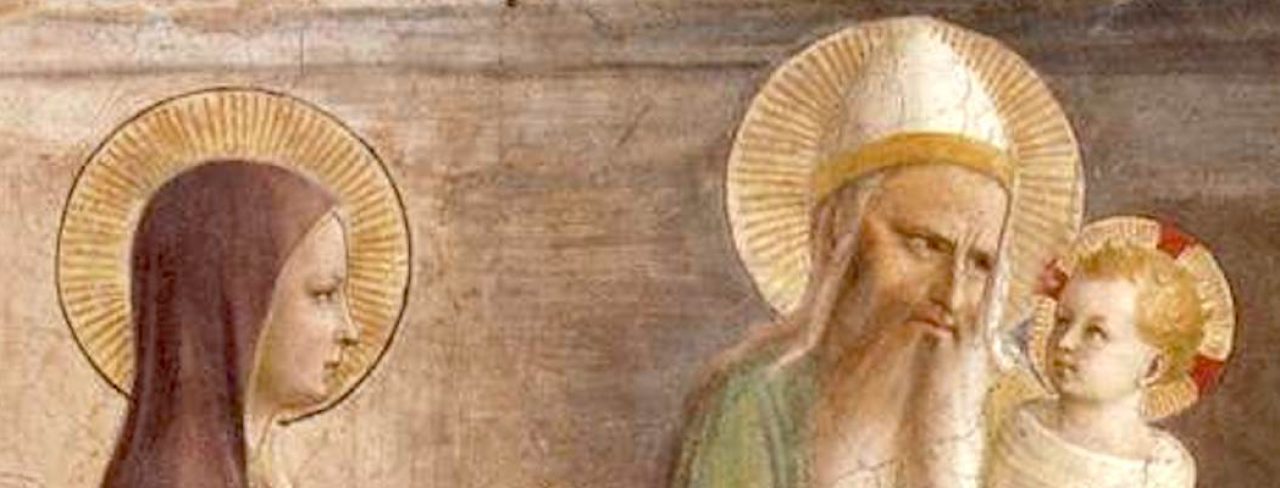
A very clear narrative greets us in the Gospel by St. Luke. He tells us that both Zechariah and his wife Elizabeth were both righteous before God: walking in all the commandments and ordinances of the Lord – they were blameless; but they have no child. Elizabeth was barren and both were elderly. We read of Zechariah silently bringing his heavy heart before the Lord – even after all those years – it was still burdened with disappointment. The couple probably remembered Psalm 112 which says:
“Happy the man who fears the Lord, who takes delight in his commands. His sons will be powerful on earth; the children of the upright are blessed.”
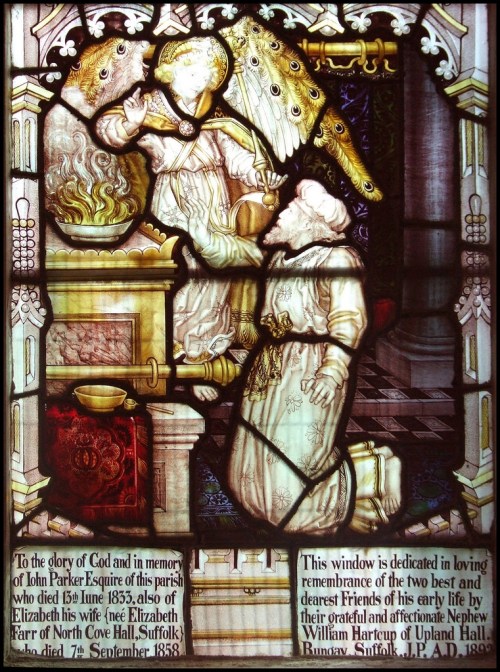
Zechariah was a priest, and on that day – by lot – it was his turn to enter the chamber within the Temple called the Holy Place and burn incense on the special altar. The Holy Place was a small chamber that led to the Holy of Holies, which housed the Ark of the Covenant.
For whatever reason, Zechariah that morning carried his disappointment with him into the Holy Place; and while he was there the archangel, Gabriel, appeared on the right side of the Altar of Incense. Gabriel tells Zechariah not to be afraid and that his prayer was heard before the throne of God. Gabriel continues with the joyous news that Elizabeth will bear a son, and that he will be called John – which in Hebrew means – “the Lord is gracious.” This child will grow and be great before the Lord, and even from his mother’s womb – he will be filled with the Holy Spirit.
But, in a typically human way, Zechariah questions the archangel’s announcement. His query must have been different in tone. It must have had the typical masculine attitude of “Are you kidding me!” Zechariah’s tenor makes Gabriel, and possibly God, indignant – and Zechariah is struck speechless for his insolence.

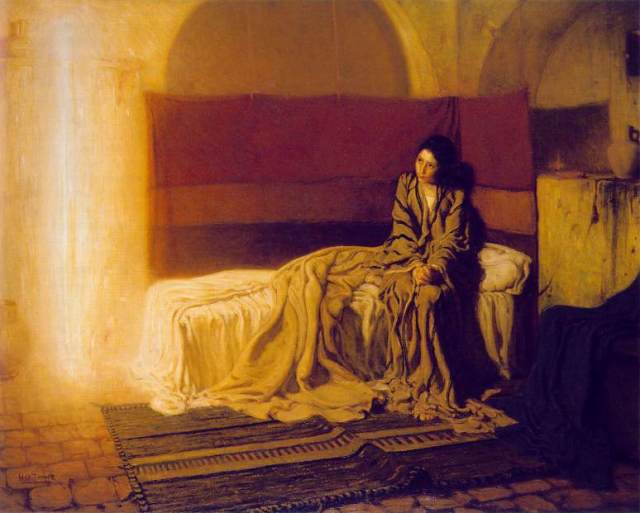
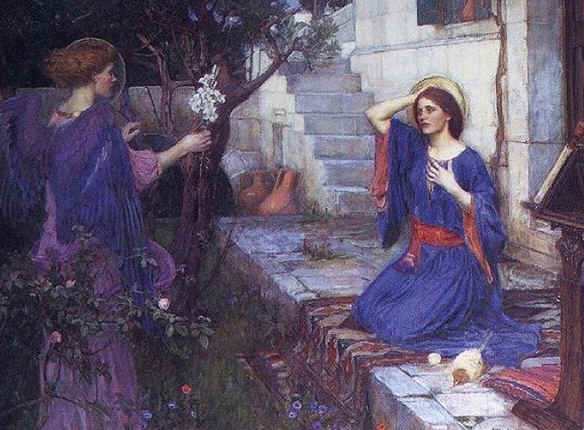
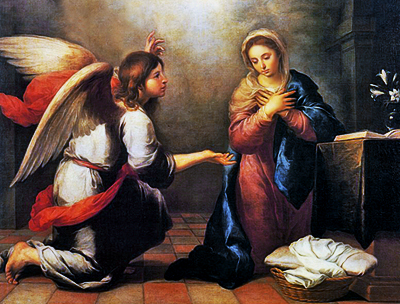
In Scripture, few lines later, we see Gabriel’s announcement to Mary. She questions him, too, as “How can this be since I do not know man?” But Gabriel does not strike her speechless. We have to be struck by this difference. What does it teach us?
It is clear that God knows our hearts. God knew what was on Zechariah’s heart when he was in the Holy Place. Zechariah does not trust the message or the messenger, and by inference – he does not trust God. God knows his heart; and disciplines this good man. Like Zechariah, we, too, may disbelieve God. In our sophistication or position in life we may say “Well that’s fine, but, the Scriptures don’t apply to our situation, or this specific teaching was acceptable years ago, but, too much time has passed and it doesn’t apply to my problems.
The Gospel says that Zechariah and his wife were good and righteous people. It was mentioned that he kept all the Commandments and ordinances. Yet, when his big moment comes – where is all that goodness and righteousness? It might still be there in his heart, but, there was also a pocket of doubt – a crevice of skepticism – that was significant enough for him, as a priest of the Almighty God, to be struck speechless in punishment for not trusting Gabriel’s message.
As sacred artists, as Christians, this Gospel asks us to stop, and check our souls in this last week of Advent. It asks us how patient, confident, and trusting have we been of the Lord’s message to our hearts, and have we allowed this to carry over into our actions? Have we become more interested in all the hype about the end of the world from a pagan culture, or, have we trusted in the Word of the Lord and His messengers?
Zechariah learned the hard way that when the Lord prepares us for His coming He desires us to be alive, awake, and alert to His call and to trust His message. So, our prayer in these last days of Advent should echo that of Zechariah, who in the months of speechless waiting, most likely in his mental prayer said, “Lord, I believe; cleanse me of my disbelief. Lord, I trust, heal me of my distrust;” and it should also echo that of Mary – who in humility and expectation waited patiently for the graciousness of the Lord to take fruit in her womb.
Copyright © 2012 Deacon Paul O. Iacono All Rights Reserved
Thanks to angels-angelology.com for stained glass window image



 The Fra Angelico Institute for Sacred Art
You must be logged in to post a comment.