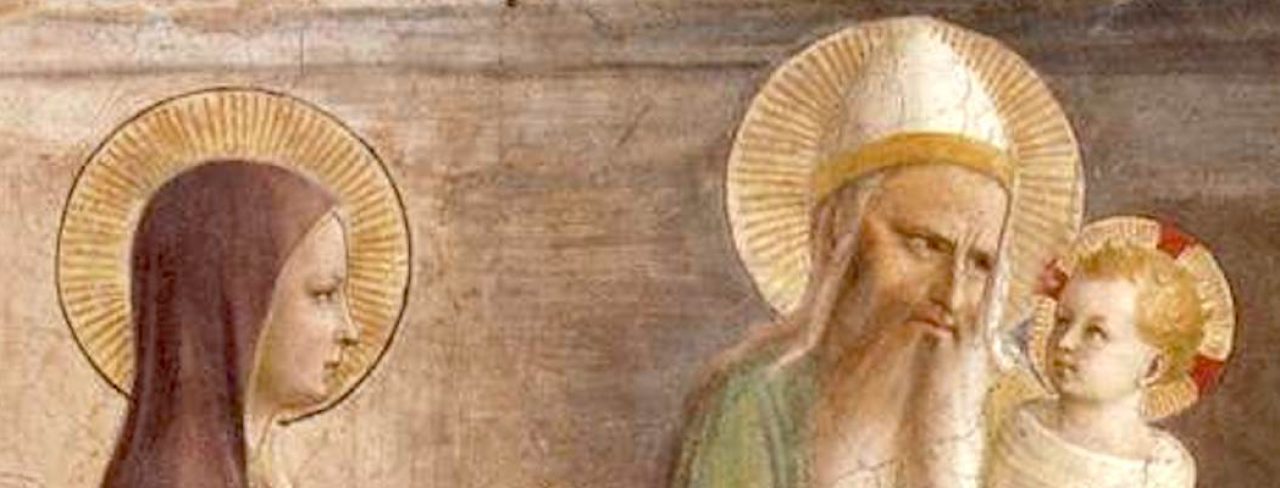
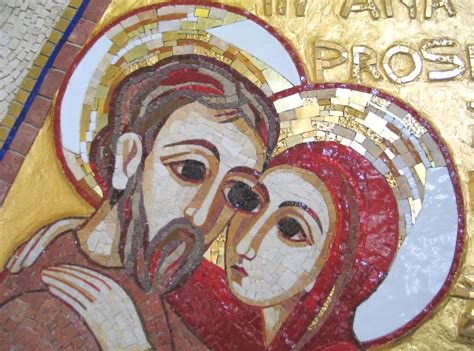
The alleged sexual abuse scandal and charges leveled against sacred artist and former Jesuit priest Marko Rupnik have caused outrage and the call to remove his art from numerous churches, cathedrals, and pilgrimage shrines throughout the United States and Europe.
Last week I was interviewed by a national reporter, Gina Christian, for the print and digital editions of Our Sunday Visitor. She had read my post entitled The Canon of a Catholic Sacred Artist (June 2018) and was interested in obtaining some additional background information for an article on sacred art and the Rupnik scandal. Her questions concerned the former Jesuit Marko Rupnik sexual abuse allegations, the removal of sacred art from Catholic churches and cathedrals, and the comportment of a Catholic sacred artist in the world today.
Some background on Marko Rupnik’s case: Rupnik was removed from the Jesuit Order by the Superior General of that Order, Fr. Arturo Sosa, in June 2023. The alleged sexual abuse charges did not involve children but they did involve adult consecrated nuns over a series of years. These charges did initially cause him to be excommunicated but it was lifted by Pope Francis after Fr. Rupnik had repented of his sins. Marko Rupnik remains a diocesan priest.
The case against Fr. Rupnik was reopened in February 2024 when Gloria Branciani and Mirjam Kovac went public with their stories. Their allegations caused outrage throughout the Catholic world and a call to have Church authorities remove Rupnik’s art from churches, cathedrals, and pilgrimage shrines. The Vatican’s new investigation of the alleged crimes is currently ongoing.
Ms. Christian’s questions (boldface) and my comments (listed within quotation marks) are below:
–Is it possible for a piece of sacred art to be true, good and beautiful if the creative process has been marked by sin and scandal? Why or why not?
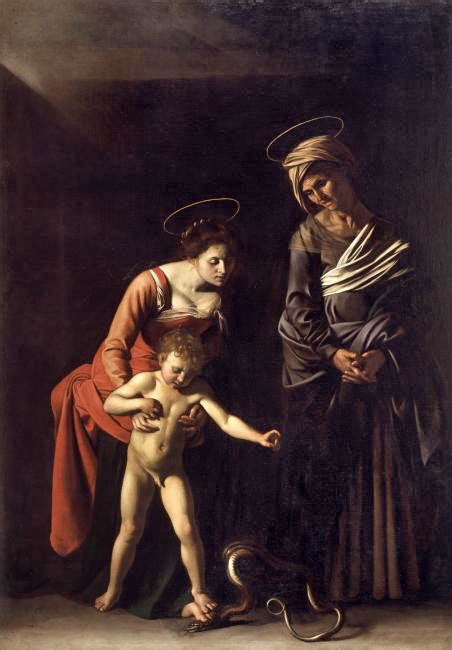
“Caravaggio, a late 16th and early 17th century artist, was a known brawler, swordsman, prone to violent physical outbursts, enjoyed the company of prostitutes, and murdered a man over the love of a woman. He also produced significant sacred art.”
“Yet, Caravaggio had at least three major paintings installed and then removed by the Church. This is a fine line to tread. In one case it was because our Blessed Mother was modeled on a known prostitute. In The Madonna of the Palafrenieri (image found below), Caravaggio used the prostitute as the model for Our Lady, dressed her in the manner of a buxom 17th century woman, and portrayed the naked baby Jesus much larger and older than a one-year-old learning how to walk. At that time Church authorities were not pleased and removed it, however, years later it was reinstalled and today can be seen in the Galleria Borghese.”
“That painting may be understood by someone familiar with symbolism in art, but what about the average person? Does the art cause confusion? Does the viewer come away from the artwork edified or bewildered? Does the artwork assist in the spiritual development of the viewer?”
–Does Rupnik’s art have merit as sacred art? Do you feel the art should be removed, given the abuse allegations and the concerns expressed by survivors?
“As far as the Rupnik case is concerned, it would be improper for me to specifically respond because the case is ongoing. Some personal opinions on Rupnik’s art: if a work of sacred art displayed in a public place of worship and veneration reminds the viewer of a specific artist’s sin, portrayed, or implied within the sacred image itself, then the Church should remove the artwork. The Church of the past understood the need for this to occur, why doesn’t the Church of today?”
“I am surprised that so many major shrines and churches have selected his style to portray the truths of the Church. There are many highly skilled sacred artists working today that could have been selected to edify their visitors and pilgrims. Examples of well-known contemporary religious artists and architects, are Leonard Porter, Marek Czarnecki, Fr. Silouan Justiniano, Gwyneth Thompson-Briggs, Ellen Ryan, Bernadette Cartensen, Vladimir Grygorenko, Raul Berzosa, architect James C. McCrery, sculptors Cody Swanson, Jonathan Pageau, and so many others in all categories. All the personnel of shrines and churches had to do is contact the Catholic Art Institute in America to receive recommendations and assist in their process of making decisions for American, or even European, placements.”
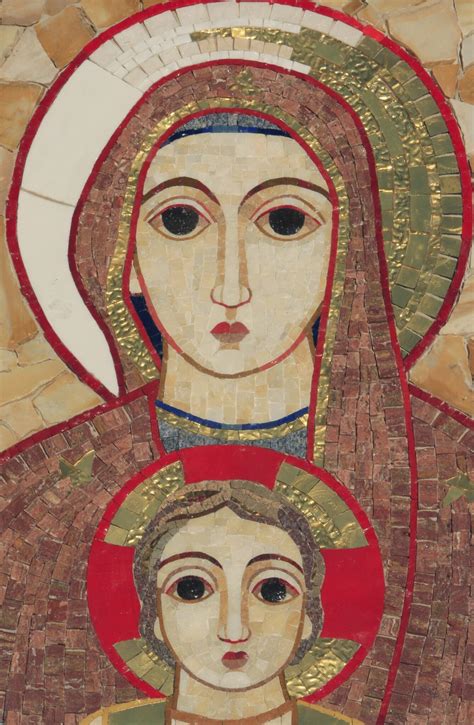
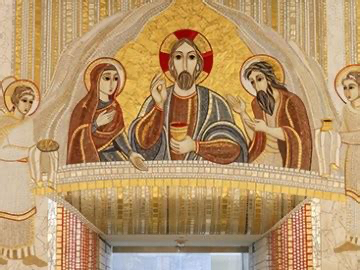
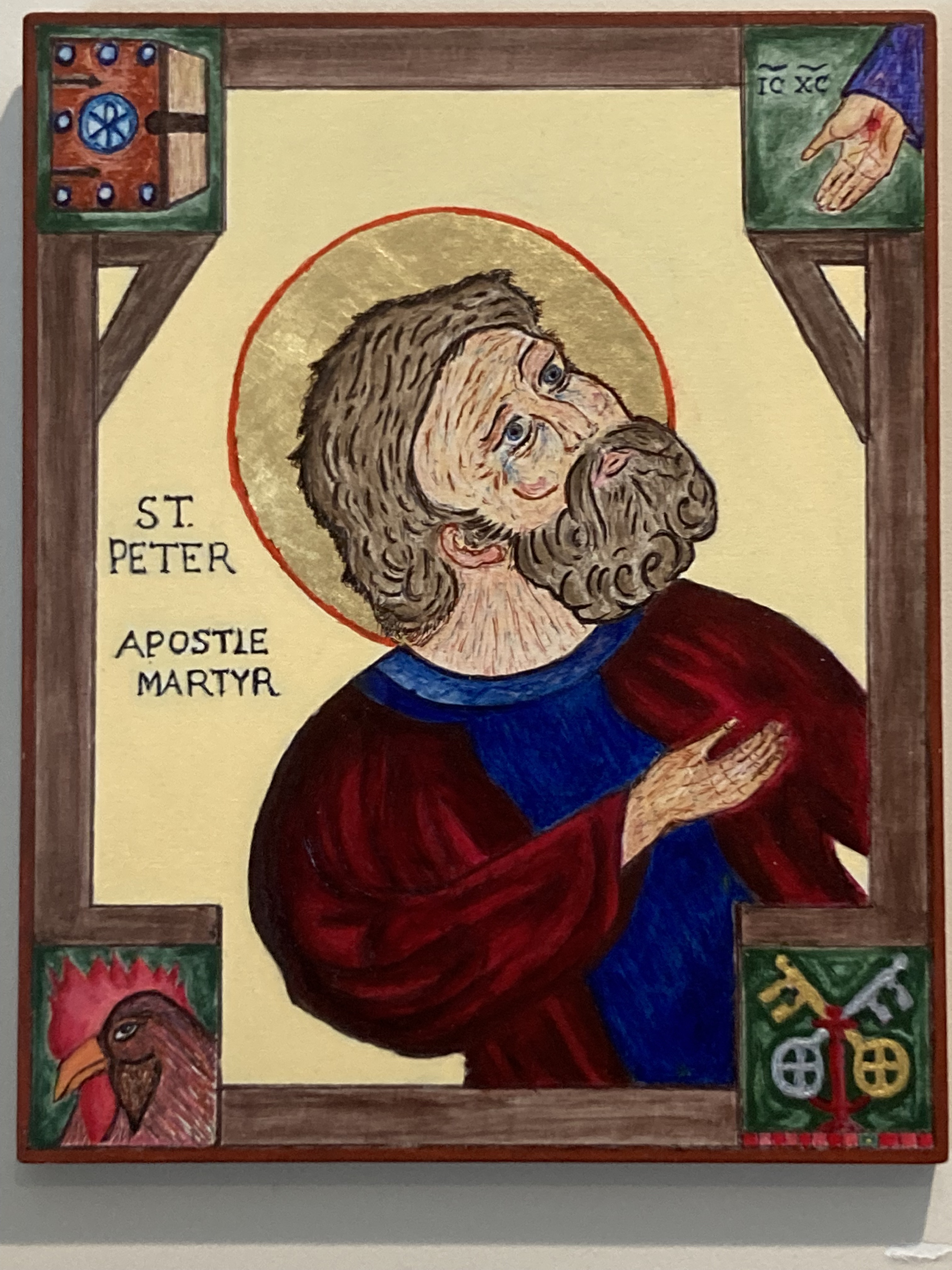
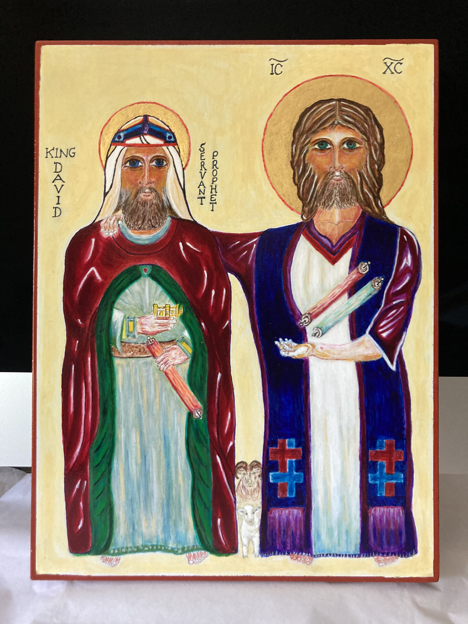
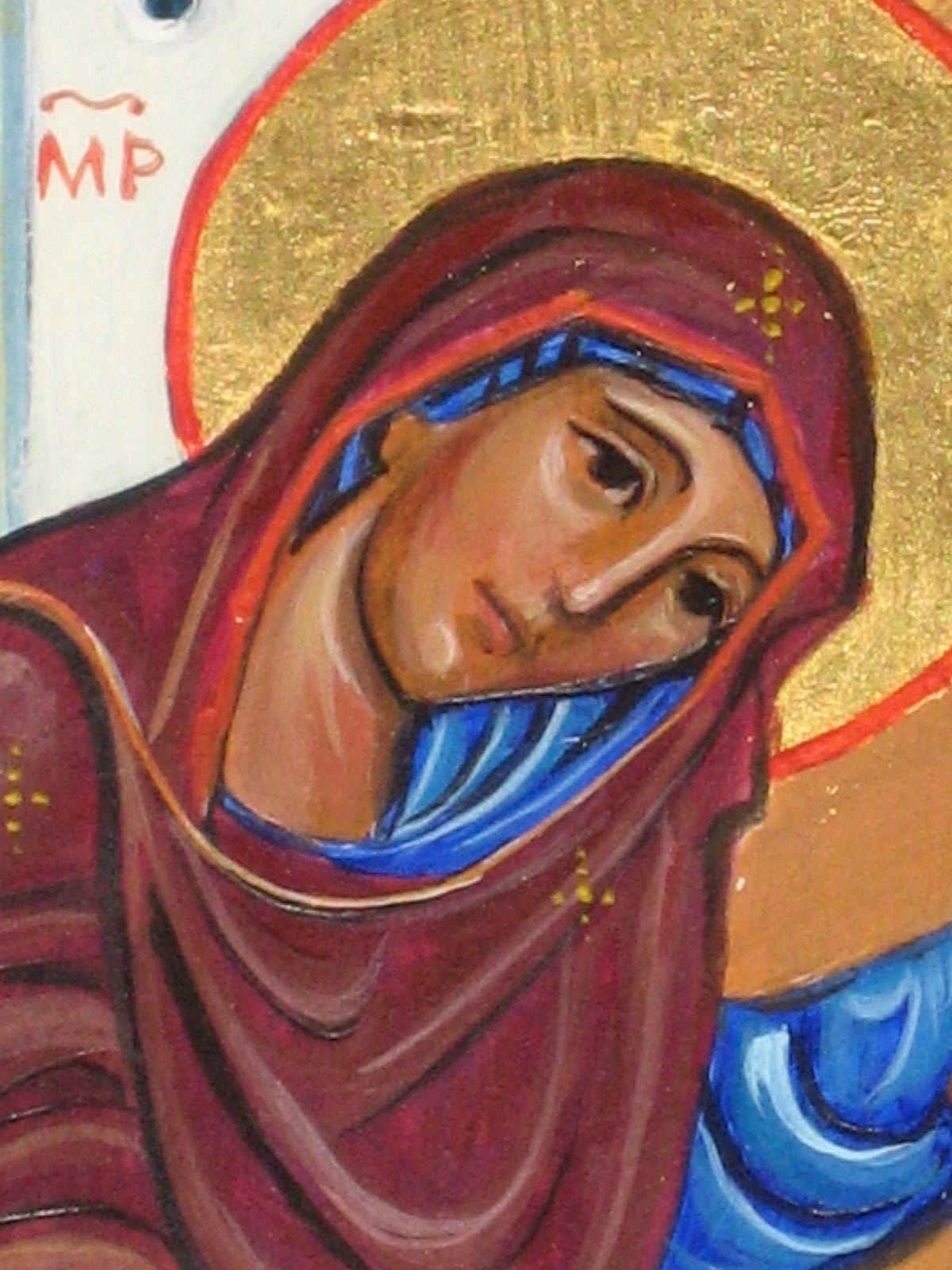
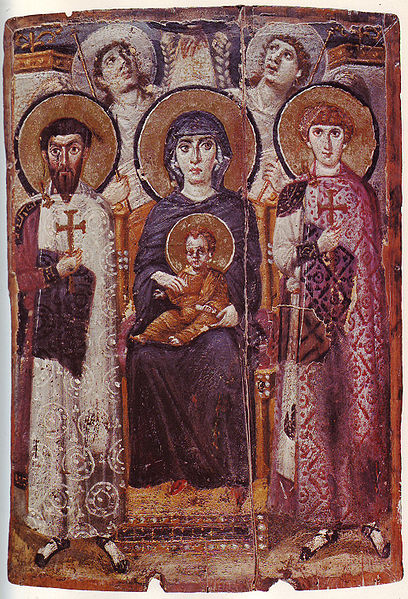
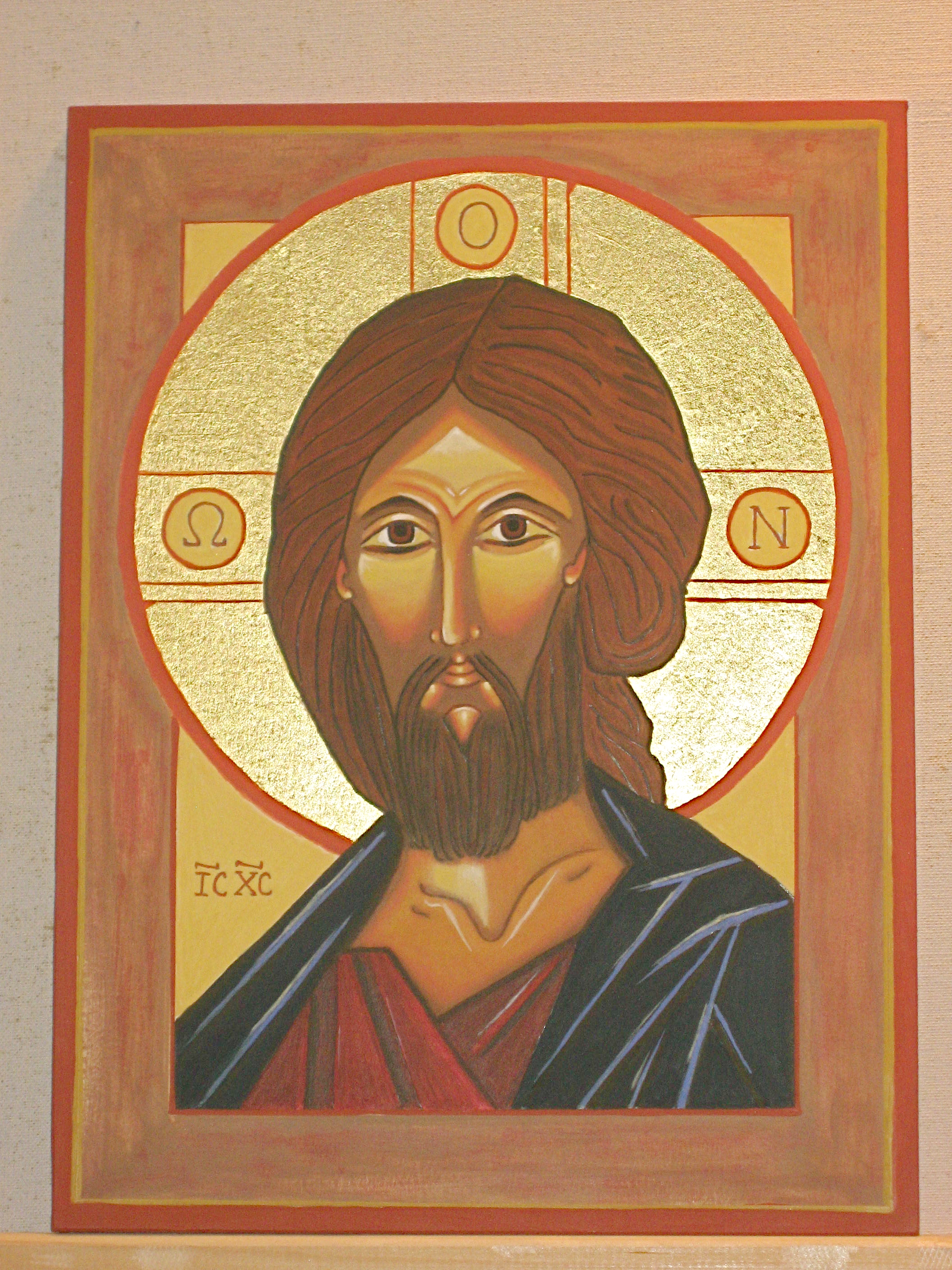
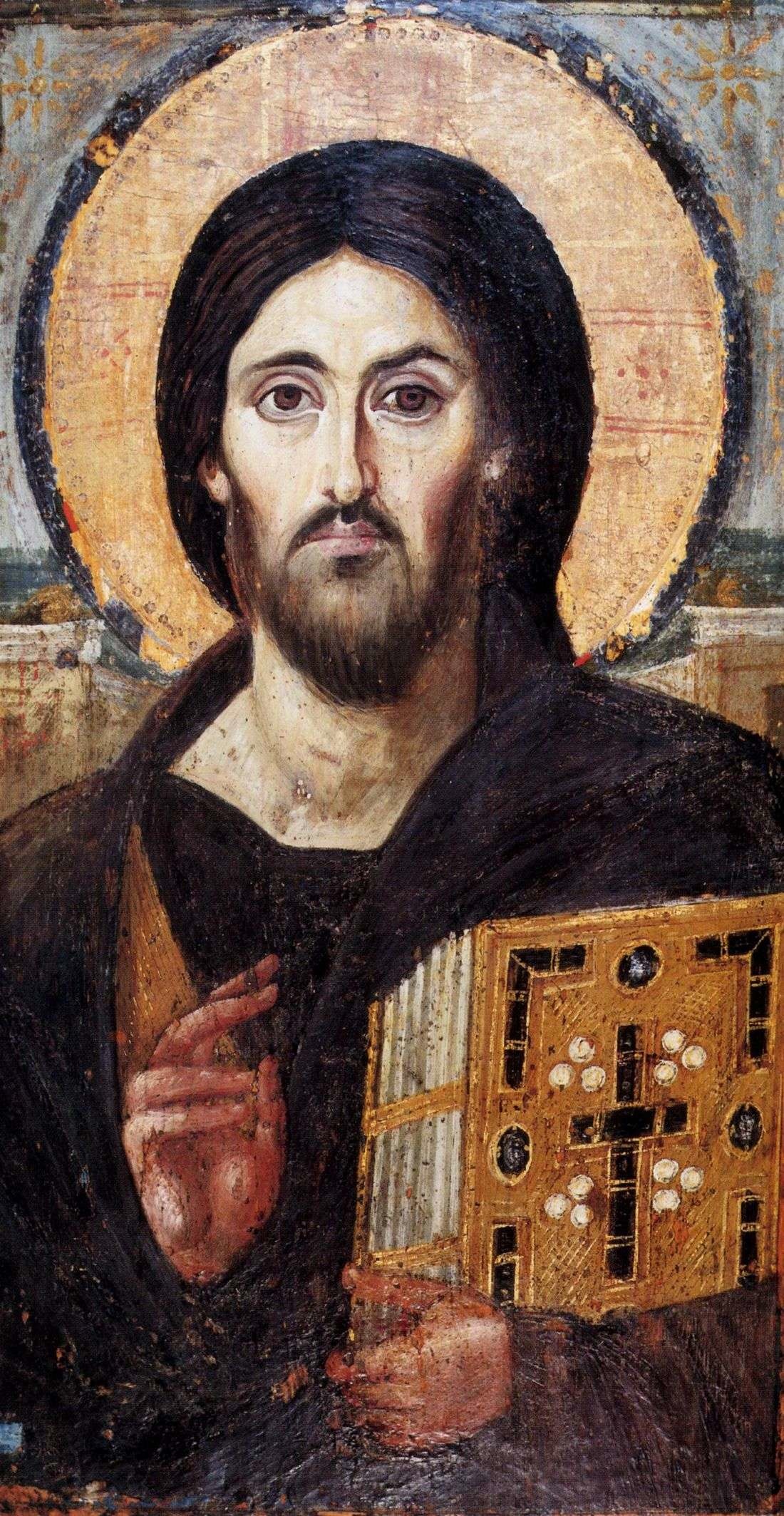
“Rupnik’s artistic style appears to be a simplified version of the beautiful and culture specific sacred art produced for over one thousand years by artists within the Coptic Church. It is also reminiscent of the sacred images created by Martin Erspamer, O.S.B. of St. Meinrad’s Archabbey. The Coptic Church’s style of sacred art can edify and be spiritually fruitful. The question is whether or not it is appropriate for such large scale Roman Catholic venues.”
“Why isn’t Rupnik’s work appropriate? In my opinion, for over sixty years much of the sacred art selected or commissioned by Church authorities has reflected influences and the desire to present images that are in union with the secular world.”
“We see individuals within the Church making artistic decisions based on the desire to be relevant, or to simply select an artist that other sites have chosen. Sadly, many times individuals or committees choose art that does not inspire or transcend the banality of our world. Some of the modern, supposedly inspirational, sacred art and architecture of the contemporary Church rings hollow. Its representations, construction, and colors can confuse and even repel the average parishioner or pilgrim. It does not inspire – it depresses the soul.”
“Every artist is creative, has a specific perspective, and presents their style and use of materials. In my opinion, all art outwardly portrays the condition of an artist’s soul and perspective of the world.”
–In general, what qualities and practices should govern the process of creating sacred art? How should sacred artists approach not only their work, but their lives and relationships? How would you sum up the theology of creating sacred art?
“I believe, and recommend, that a Catholic artist, in the creation of Roman Catholic sacred art, should strive within their spiritual and artistic life to apply the following principles:
The Catholic sacred artist must create their art within the boundaries of and maintain loyalty to Holy Scripture and Sacred Tradition.
The Catholic sacred artist should continually strive to be in the state of grace and live a life accompanied by prayer and frequent reception of the Sacraments.
The purpose of Catholic sacred art displayed in a shrine, church, plaza, places of pilgrimage, or home is to uplift the individual to understand the majesty, supreme authority, truth, beauty, charity, and goodness of God, His angels, and saints.
Catholic sacred art should never cause confusion, bewilderment, or diminish the faith of a viewer. Sacred art should always strive to be beautiful in its entire presentation, respect, and conform to its setting.
The Catholic sacred artist must be disciplined. Their art should never cause scandal or refer the viewer to associate the artist’s personal life to the artwork itself. To do so is a profoundly irresponsible action.
Catholic sacred art should be about the principles exemplified by the dogma/doctrines of the Church and the truth found in the Hebrew and Christian Scriptures; it should never deviate into the artist’s personal view of dogma or Scripture.
The sacred artist should educate, edify, and challenge the viewer’s mind and soul to love and come closer to God, His angels, and saints.”
In conclusion, some people might find Fr. Rupnik’s art beautiful; others might find it profoundly upsetting. The Catholic Church’s investigation of the Rupnik scandal must be exhaustively and thoroughly completed. It must not drag on. It has been reported (by Associated Press) that more women have come forward with allegations against Fr. Marko Rupnik. A clear and authoritative decision must be quickly made by the Church and if found to be true, both punishment of the perpetrator and compensation to the women, must be made. The women involved deserve no less.
Copyright © 2011- 2024 by Deacon Paul O. Iacono – All Rights Reserved. Permission to reprint essays in their entirety and/or my personal paintings must be obtained from me by using the comment box and making a comment/request on the post. I will respond to you through answering in the comment box. Students, and those interested, may quote small sections of my essays as long as the proper credit and notation is given. Thanks.










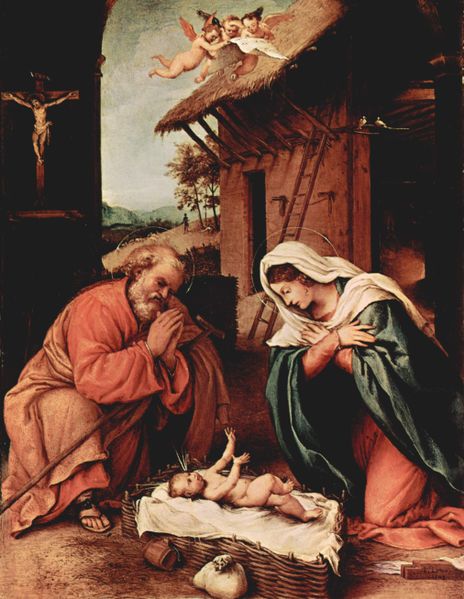









 The flickering flame of the candle is the primary source of light. It is soft, calm, inviting, strong, and supersedes the light of an ordinary candle. It keeps the menacing darkness away. It illuminates her face and her heart—primarily her heart—to show that she has focused on the core of who she is, and subtly shows the love that she has felt that day. Yet it also shines on the mirror and on her robes and on her jewels—the light of Christ has begun to enlighten everything in her life. It is the power of the Holy Spirit through which all true conversion and penance is inspired.

































 The Fra Angelico Institute for Sacred Art
You must be logged in to post a comment.